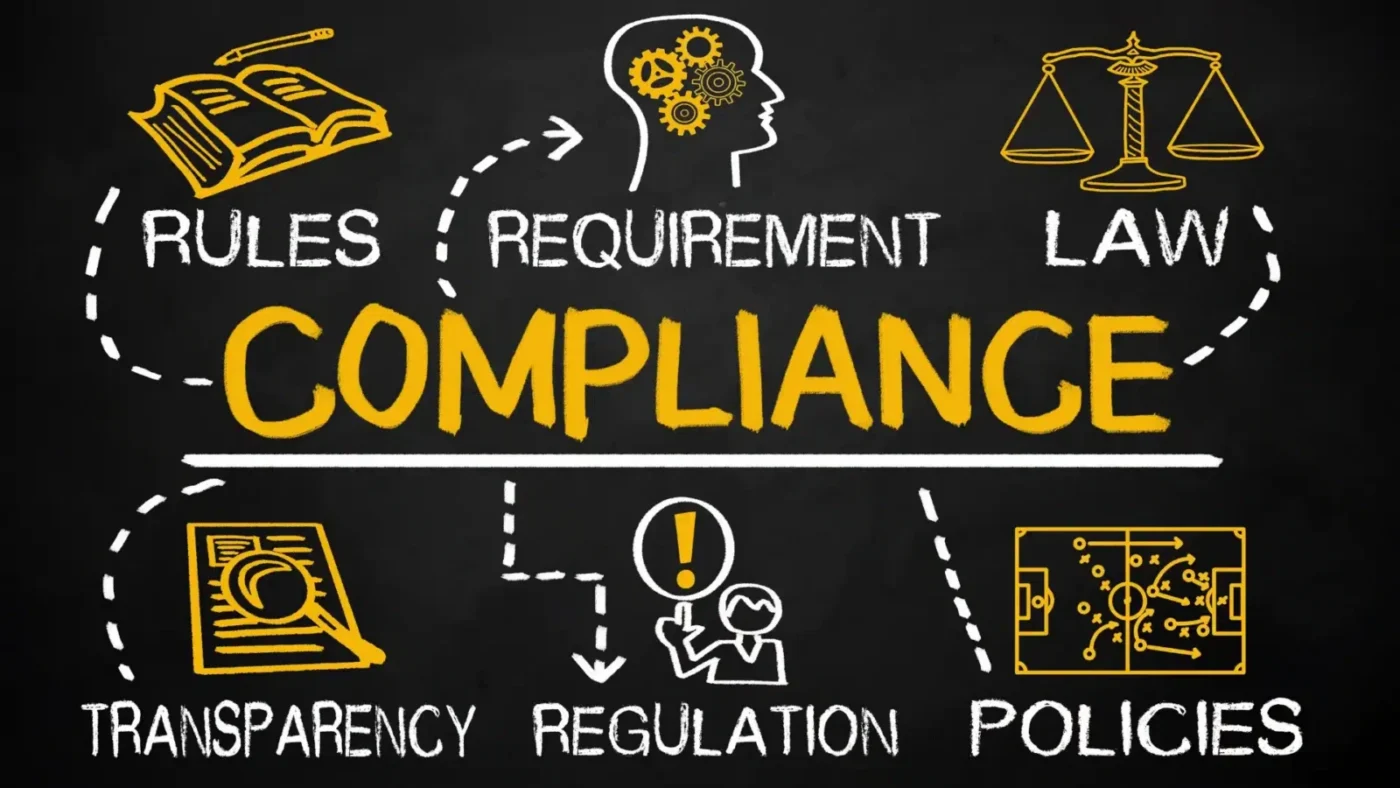


Medical waste disposal is more than a compliance checkbox, it’s a critical part of keeping healthcare environments safe, clean, and sustainable. Whether it’s a routine exam or a major procedure, healthcare facilities produce a significant amount of waste every day. Managing it properly isn’t just a regulatory requirement; it’s a responsibility tied directly to health, safety, and trust.
Let’s walk through the key practices, risks, and regulations that shape smart waste management, such as: what qualifies as medical waste, why proper disposal matters, the risks of cutting corners, and what best practices your facility should already be following. We’ll also cover the role of certified disposal providers, staff training strategies, and how to build a more compliant and cost-effective waste program.
What Is Medical Waste?
Medical waste is any material generated as a byproduct of healthcare that could pose a threat to public health or the environment if not handled correctly. This includes anything contaminated by blood, bodily fluids, or pathogens.
Common sources? Just about every department in a facility. Operating rooms, diagnostic labs, exam rooms, dental suites, even outpatient clinics, they all contribute to the medical waste stream.
Examples include:
- Sharps: needles, scalpels, and anything that can puncture skin
- Pathological waste: human tissues, organs, or fluids
- Pharmaceuticals: expired, unused, or contaminated medications
- Biohazardous materials: items saturated with infectious agents, including PPE, bandages, and swabs
Each type of medical waste has its own handling, labeling, and disposal rules. Toss them all into the same bin, and you risk inflated fees, compliance headaches, and paying hazardous rates for non-hazardous trash.
Why Proper Medical Waste Disposal Matters
There’s a reason medical waste disposal is heavily regulated. When it goes sideways, the damage doesn’t stay neatly contained.
Start with patient and staff safety. One unsealed bag, one needle tossed in the wrong bin, and suddenly your clinic isn’t just noncompliant, it’s dangerous. Exposure risks don’t politely stay in one exam room. They move. Fast.
Then there’s disease transmission. We’re not talking about mild colds. We’re talking about serious, bloodborne threats like hepatitis and HIV. Mishandled waste gives those pathogens a free ride into places they should never reach. Smart protocols stop that journey before it starts.
And the environment doesn’t get a pass. Improperly discarded biohazard waste can leach into groundwater, pollute airways, and linger in landfills for decades. One mistake on-site can echo far beyond your facility walls.
Proper medical waste disposal isn’t just a best practice. It’s non-negotiable if you care about safety, accountability, and the community around you.
Legal and Regulatory Requirements
Medical waste is governed by a patchwork of federal, state, and local rules, and none of them are optional.
Agencies like OSHA and the EPA, along with health departments in each state, set strict guidelines on how waste must be categorized, stored, treated, transported, and documented. Violating these standards can cost more than just money.
Fines for non-compliance can reach thousands of dollars per incident, and repeated violations can trigger audits, shutdowns, or even lawsuits. These rules also evolve, which means your protocols need regular updating to stay current.
This is where having a reliable partner comes in handy. Our team helps you stay ahead of changing regulations and avoid costly surprises.
Risks of Improper Medical Waste Management
The risks of improper medical waste management aren’t just theoretical, they show up fast and hit hard.
Cut corners, and you’re putting public health on the line. That includes your patients, your staff, your broader community, and even the people responsible for transporting the waste you leave behind. A single lapse in protocol can start a chain reaction.
There’s also legal fallout. One wrongly labeled container or an overflowing storage area can result in citations, lawsuits, and lasting reputation damage.
And the environment takes the hit. Hazardous waste that spills or gets dumped in the wrong place sticks around and causes damage long after it’s gone. It contaminates water, soil, and air, and brings regulators with them. Improper management doesn’t just create risk. It creates consequences you can’t afford to ignore.
Best Practices for Safe Medical Waste Disposal
The best practices for safe medical waste disposal are not just policies, they are the structural supports that keep your operations compliant, efficient, and safe from preventable chaos.
- Segregate waste by type
Sharps don’t belong in red bags. Expired medications should never land in the general trash. When categories are mixed, everything gets treated as hazardous, which drives up disposal costs and regulatory complexity. Proper segregation keeps waste streams clean, lowers your per-pound rates, and reduces the risk of handling mistakes that could trigger audits or fines. - Use the right containers
Not all containers are created equal. If they aren’t puncture-resistant, leak-proof, or labeled correctly, they’re not just non-compliant, they’re dangerous. The wrong bin can lead to accidental exposure, internal incidents, and major setbacks during inspections. The right ones keep your team protected and your documentation airtight. - Follow handling and storage protocols
Waste should be stored in secured, designated areas, with specific materials requiring temperature controls or limited holding times. Ignoring storage guidelines doesn’t just increase risk, it puts you on a collision course with regulatory action. Timely pickups, proper storage environments, and clean documentation work together to prevent violations and preserve operational flow.
These aren’t theoretical guidelines. They are real-world processes we help our clients apply, refine, and maintain, not just to check boxes, but to build waste management programs that function with precision, predictability, and confidence.
Role of Medical Waste Disposal Services
The role of medical waste disposal services goes far beyond simply hauling off red bags. It’s about building a dependable, long-term infrastructure for safety, compliance, and operational control, and that only happens with the right partner.
Working with a licensed medical waste disposal provider gives your facility access to:
- Routine pickups tailored to your actual waste volume, not a one-size-fits-all calendar
- Up-to-date compliance documentation, including manifests and tracking logs, ready for audits at a moment’s notice
- Guidance through regulatory complexity, helping you stay ahead of shifting state and federal requirements
What matters most is trust in the schedule, the service, and the system backing it. Our team doesn’t just show up and take the trash. We collaborate, we adapt, and we keep the process transparent. No guessing, no surprise fees, and no unanswered calls. Just the confidence that your waste is handled the right way, every single time.
Staff Training and Education
The impact of staff training and education on medical waste disposal can’t be overstated, it’s often the deciding factor between a system that works and one that quietly falls apart.
Regular training ensures your staff knows what to do, why it matters, and how to do it safely. It reduces errors, protects your license, and fosters a culture of accountability.
Quick guides, signage, and refresher sessions are all simple tools that can make a big difference. Appointing a compliance lead or building waste topics into onboarding is another easy win.
When your team understands the “why,” they’re far more likely to follow through on the “how.”
A Commitment to Health and Safety
Proper medical waste disposal isn’t just about staying within the lines of compliance; it’s a direct reflection of your commitment to health and safety.
Whether you’re running a small clinic or a multi-site network, the principles remain the same: know your waste, train your team, and work with people who know what they’re doing.
Take a moment to assess your current processes. What’s working? What needs tightening up? If you’re ready to cut costs, stay compliant, and eliminate waste management guesswork? Get in touch with our team and let’s build a system that works better for your facility.